











Last reviewed 24/12/2024
Sustainability status
Not currently on risk lists but complete data may be missing on the status of the species. Read more in our sustainability guide.

-
Herb overview
Safety
Limeflower is widely accepted as safe to use.
Sustainability
Green/Least concern
FairWildKey constituents
Flavonoids
Phenolic acidsQuality
Wild-harvested
Contamination risk with inflorescences from other Tilia speciesKey actions
Nervine
Cardiotonic
Anxiolytic
ThymolepticKey indications
Anxiety
Insomnia
High blood pressure
FeverKey energetics summary
Warming/cooling
Sweet
AstringentSee below for discipline-specific energeticsPreperation and dosage
Flower and bract
Tincture (1:5|25%): take between 2.5–10 ml t.i.d.
-
How does it feel?
The best way to taste the qualities of limeflowers is to use them (and the attached pale green leaf-like bracts) to make a strong tea, preferably in spring when the flowers are out and they can be harvested fresh from the tree. The gentle, almost incense-like fragrant and resinous honey-like flavour that leads to a sweet, slightly acrid and weakly bitter taste and then a lingering floral fragrance.

The taste of limeflower
The below qualities are derived from organoleptic assessment.
-
Into the heart of limeflower

Limeflower (Tilia europaea) There is a lack of consensus over the energetic qualities of limeflower, with some texts suggesting that limeflower is energetically cooling and moist, whereas others describe its properties as warming (2). This is sometimes seen in herbs that have a diaphoretic action that increase peripheral circulation. thus promoting vasodilation. Warming herbs tend to invigorate the circulation whilst also creating a centralising warmth in the centre (heart), which is true to limeflower (3).
Mills describes limeflower as a peripheral vasodilator that, in Galenic terms, is classed as hot in the first degree. Its action relaxes and opens up the peripheral circulation and directs vitality and warmth to the tissues (3).
Wood, however, discusses its cooling and moistening effect that may be best applied for irritable, atrophic tissue states where there is weakness in the tissues or they are understimulated and cellular health is diminished. The concept of cooling may, in this case, refer to its ability to modify inflammation and irritability in the tissues (2).
Whether its actions are cooling or heating, limeflower offers deep tissue rejuvenation, particularly where the nervous and cardiovascular tissues are involved (2).
Limeflower calms the nerves and relaxes the blood vessels and muscles. It improves the peripheral circulation, lowers the blood pressure and encourages healthy sweating (diaphoresis) during a fever (2). Its calming effect also extends to the cardiovascular system and can reduce palpitations, especially when they are associated with nerves or anxiety.
Limeflower has gentle antispasmodic and sedative properties, making it effective in treating insomnia, anxiety, agitation and nervous headaches (4).
-
What practitioners say
 Cardiovascular system
Used in hypertension, palpitations, arteriosclerosis and any heart-related condition that is exacerbated by stress or anxiety. Modern practice has also seen the potential of limeflower in the treatment of other disorders of the circulation, including varicose veins, phlebitis, migraine and auto-immune attacks on the vessel walls, such as arteritis.
It has long been used in England and France as a remedy in migraines and other headaches, especially in cases where a soothing effect on the vessel walls would be reinforced by a systemic relaxation and spasmolytic effect. The vasodilatory action will also reduce any constrictory tone in peripheral vessels.
The mechanism of action for limeflower regarding ability to affect tone in the blood vessels is understood to be created through a synergistic effect of its flavonoids and saponins. Lime flowers also affect the cardiovascular system through its antispasmodic and relaxant actions which contribute to its vasodilatory effects (3,4).
It is sometimes included in a formula in the treatment of hypertension (high blood pressure), through a restorative and relaxant effect on the vasculature and ability to reduce the hardening of arteries (5).
Nervous system
Limeflower has a number of different applications for conditions of the nervous system. It impacts the nervous system as a relaxant and elicits these effects best where there is tension and constriction. Indicated for insomnia, especially among children, limeflower may be used for recurrent nightmares, anxiety symptoms, such as palpitations, mild depression, and stress-induced migraines (3). For nervousness or anxiety limeflower offers calm in acute situations, such as panic, exam stress or social anxiety (4).
Respiratory system
Limeflower is a soothing expectorant and can be used to treat coughs, catarrh, bronchitis and asthma (4,6).
Urinary system
Limeflower is a diuretic and helps to eliminate toxins through the kidney, helping to treat cystitis and urethritis (4).
-
Limeflower research

Limeflower (Tilia europaea) There has been very little research conducted into the medicinal effects of limeflower. Although animal studies are not condoned by Herbal Reality, some have been included to demonstrate the potential pharmacological actions of this plant.
Anti-inflammatory, antinociceptive and nephroprotective activities of Tilia cordata and isolation of bioactive compounds
An in vivo study was carried out to evaluate the constituents present in the aerial parts of limeflower. An 70% ethanol solution was used for extraction (7). This revealed limeflower to have kaempferol, quercetin, vitexin, kaempferol 3-O-α-rhamnoside, quercetin 3-O-β-galactoside, and kaempferol 3-O-rutinoside as key constituents. These isolated compounds were then also tested in animal models and were found to have anti-inflammatory, antinociceptive and nephroprotective actions. This suggests these actions of the herb may be largely attributed to its flavonoid constituents (7).
Flavonoids from Tilia americana with anxiolytic activity in the plus-maze test
This preclinical study was carried out in mice to investigate the anxiolytic activity of flavonoids present in Tilia americana (8). A methanolic extract and a bioactive flavonoid fraction (rich in tiliroside and quercetin derivatives) were administered orally, in dosages ranging between 25–100 mg/kg. Acute dosing significantly increased time spent in open arms of the elevated plus maze without impairing movement, suggestive of its anxiolytic effects (8).
Pharmacological evaluation of the anxiolytic and sedative effects of Tilia americana
In this mouse study, hexane and methanolic extracts of Tilia americana inflorescences were evaluated for sedative and anxiolytic effects (9). Acute oral doses of between 10–300 mg/kg methanol extract) potentiated sodium-pentobarbital-induced sleep and reduced anxiety-like behaviour in the elevated plus maze. Behavioural effects were observed 15–60 minutes after administration. The methanol extract had more significant effects, supporting the traditional use of limeflower as a sedative nervine with dose-dependent hypnotic properties (9).
Interactions of a standardized flavonoid fraction from Tilia americana with serotonergic drugs
This mechanistic rodent study explored the anxiolytic effects of a standardised flavonoid extract from Tilia americana and its interaction with serotonergic pathways (10). Oral doses of 12.5–50 mg/kg were shown to elicit significant anxiolytic effects in the elevated plus maze, with an ED of approximately 15 mg/kg. The pharmacological interaction experiments suggested 5-HT₁A and 5-HT₂A receptor activation. The study provided mechanistic support for the traditional nervine and anxiolytic uses of limeflower (10,11).
Evaluation of anxiolytic effects of dietary supplementation with Tilia tomentosa bud extracts
This preclinical study assessed the anxiolytic potential of Tilia tomentosa bud extracts administered as a dietary supplement in mice (12). Animals received the extract as a dietary supplement over several weeks, after which, behavioural anxiety tests (including elevated plus maze and open-field assays) were carried out. Supplementation was found to produce anxiolytic-like effects, with variations according to age and sex. These findings support traditional gemmotherapy indications of limeflower buds as gentle, long-term nervines.
-
Historical use of limeflower
Limeflower has been used since the middle ages, and most often as a remedy to manage fevers, applicable to any member of the family from the very young (even infants) to the very old. They were among the first choices across Europe for the home management of feverish colds and infections, used as a tea to lower the temperature curve without suppressing the beneficial work of the fever in combating the infection.
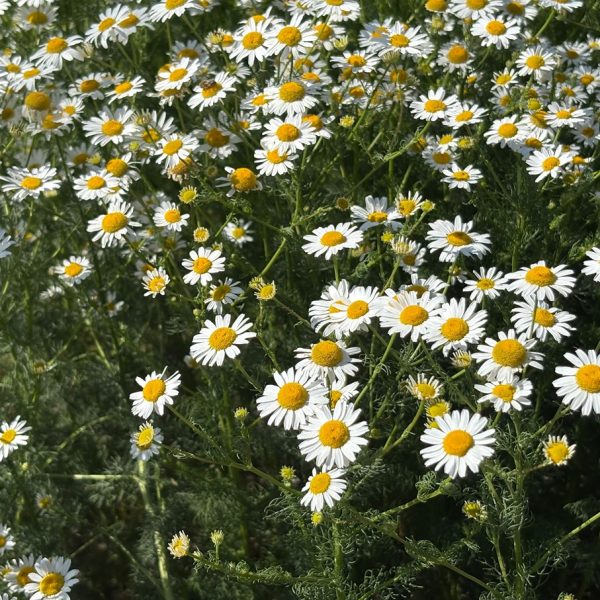
Limeflower was also highly prized as a home relaxant, used in much the same way as chamomile (Matricaria chamomilla) tea, to calm restlessness, irritability and anxiety, particularly in children. It has been used as a specific remedy in Germany for influenza in children.
-
Limeflower’s herbal actions
Herbal actions describe therapeutic changes that occur in the body in response to taking a herb. These actions are used to express how a herb physiologically influences cells, tissues, organs or systems. Clinical observations are traditionally what have defined these actions: an increase in urine output, diuretic; improved wound healing, vulnerary; or a reduction in fever, antipyretic. These descriptors too have become a means to group herbs by their effects on the body — herbs with a nervine action have become the nervines, herbs with a bitter action are the bitters. Recognising herbs as members of these groups provides a preliminary familiarity with their mechanisms from which to then develop an understanding of their affinities and nuance and discern their clinical significance.
-
Limeflower’s energetic qualities
Herbal energetics are the description that herbalists have given to plants, mushrooms, lichens, foods and some minerals based on the direct experience of how they taste, feel and affect the body. All traditional health systems use these principles to explain how the environment impacts health, according to each of their philosophies and frameworks. These assessments of individual herbs, though they often do align, can differ from one another due to cultural differences regarding perspectives on how herbs taste versus their physiological effects. Find out more about traditional energetics in our article An introduction to herbal energetics.
Western energetics
Western energetics here are informed by The Energetics of Western Herbs by Peter Holmes, as well as traditional materia medica from Culpeper and Dioscorides.
-
What can I use limeflower for?
Limeflower can support relaxation and encourage sleep, particularly where an individual may be affected by nightmares or night sweats. Limeflower eases stress, anxiety and associated symptoms, such as palpitations. It is also often classed as a herb suitable for use in the treatment of children (1).
Limeflower’s main traditional use in Europe has been as a tea for colds and respiratory infections where feverish symptoms are setting in. Hot chills and a raised core body temperature are signs of elevated immune activity. Rather than taking paracetamol or other medication that suppresses this immune response, herbalists instead strive to support the body to raise a fever safely. Limeflower tea will help steady the process, limiting the temperature from rising too high by inducing sweating at the appropriate place in the fever cycle, and reducing irritation and other tension-related symptoms. This approach will require ample bed rest for a couple of days; however, this method supports a stronger immune system long-term.
-
Did you know?
There has been a long popular tradition in France and other European countries to go as families to collect limeflowers in spring and dry them for use throughout the year. Tisane de tilieul was the standard family remedy for colds, fevers and restless children.







-
Botanical description
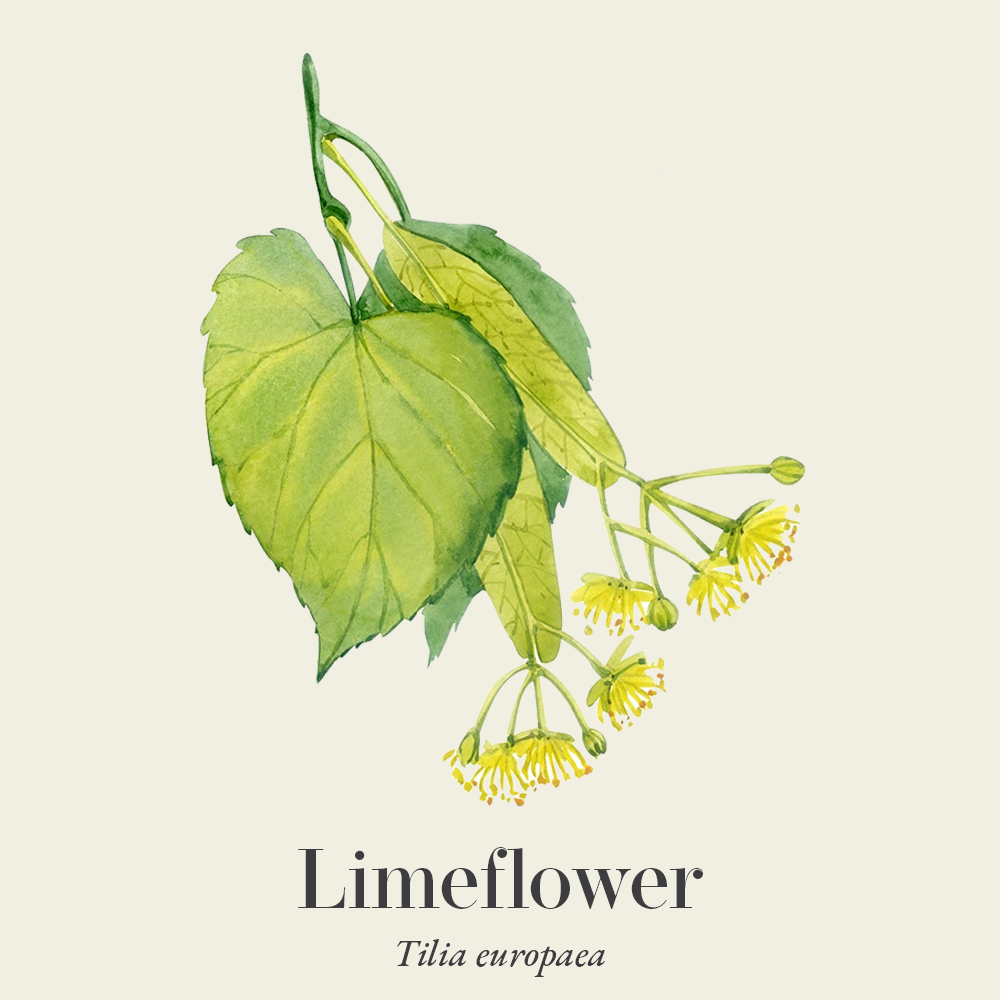
The limeflower or linden tree is a large, canopy tree that can reach heights of up to 30 m. Its leaves are alternate, petilate ovate, with a serrate edge and sharp apex.
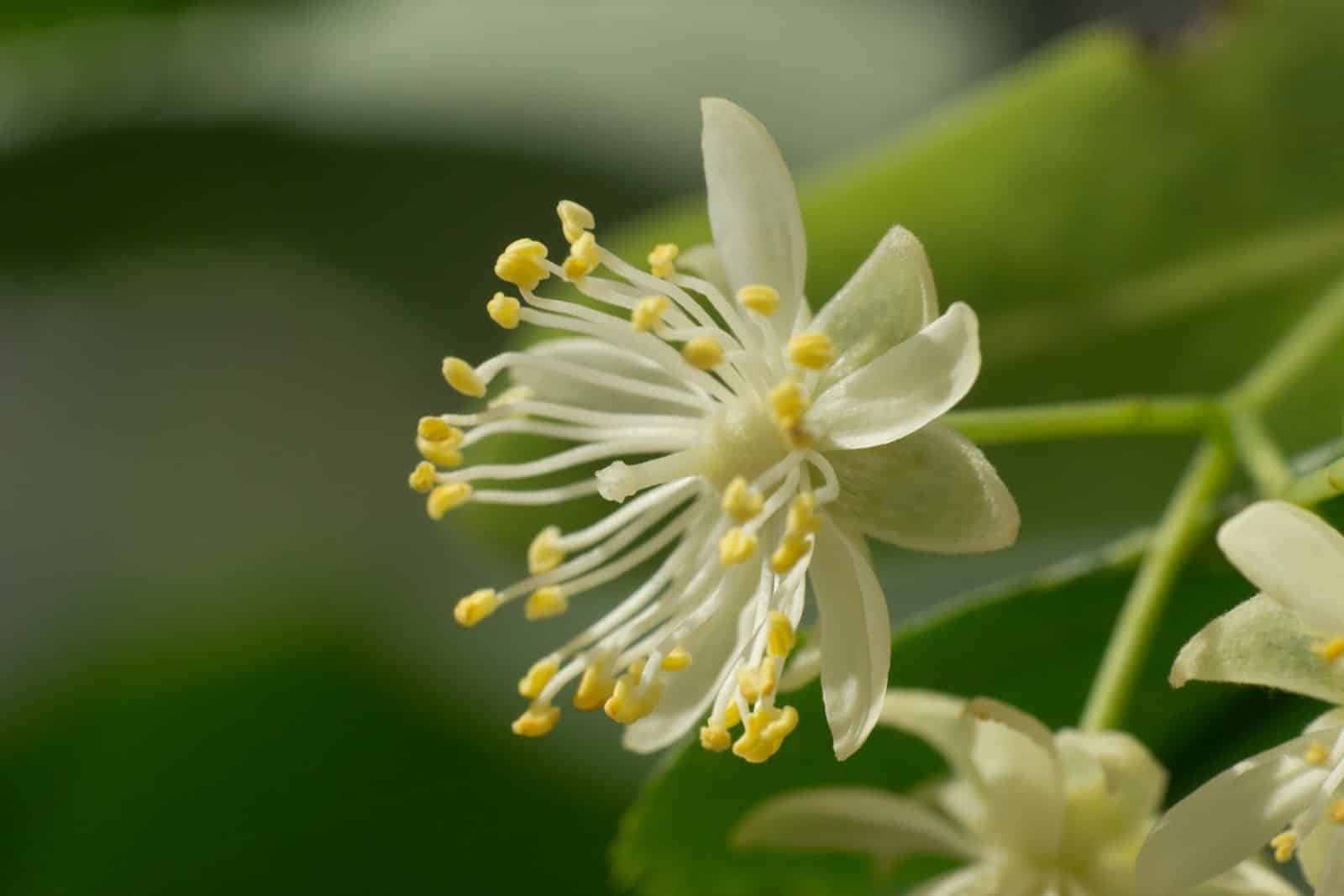
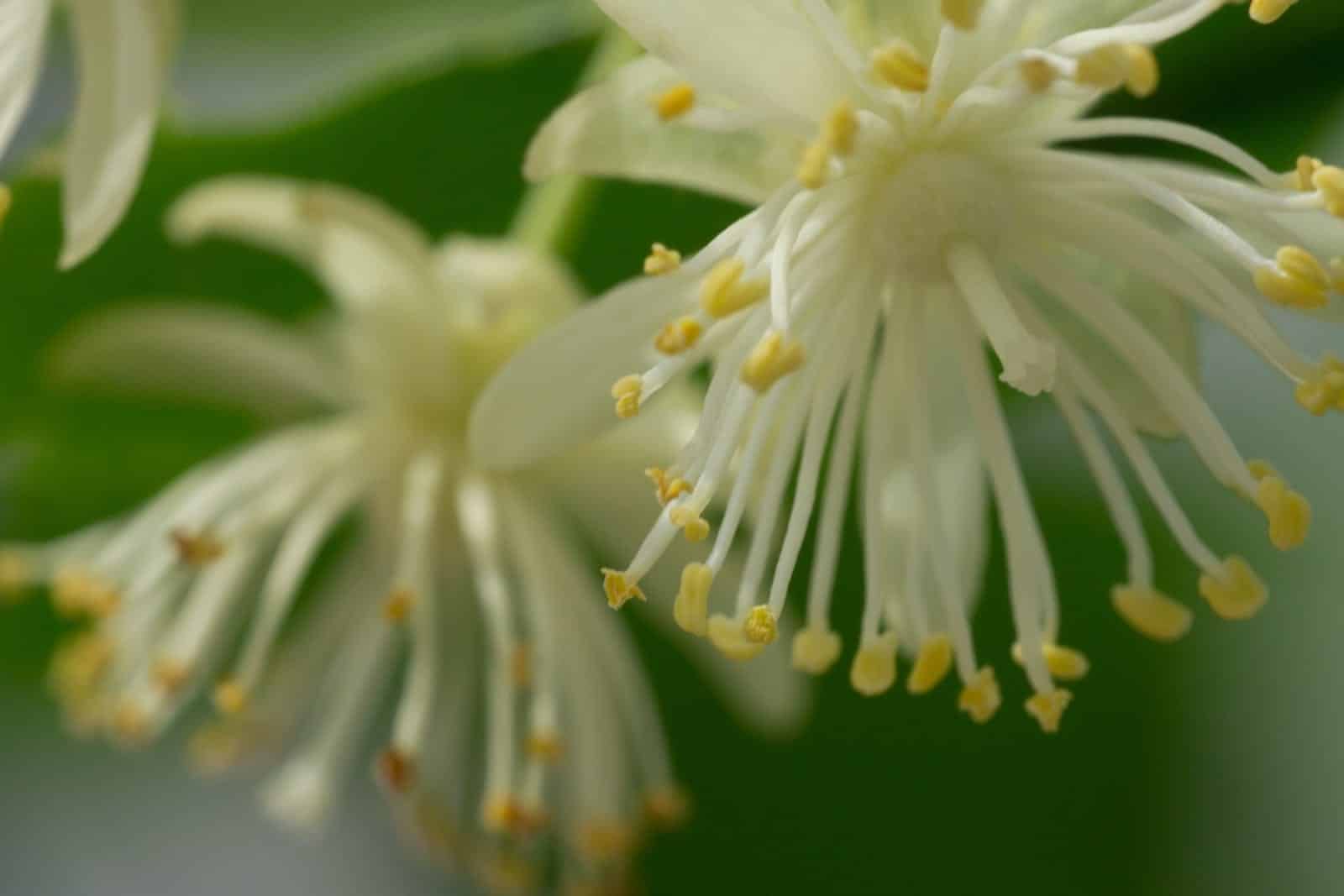
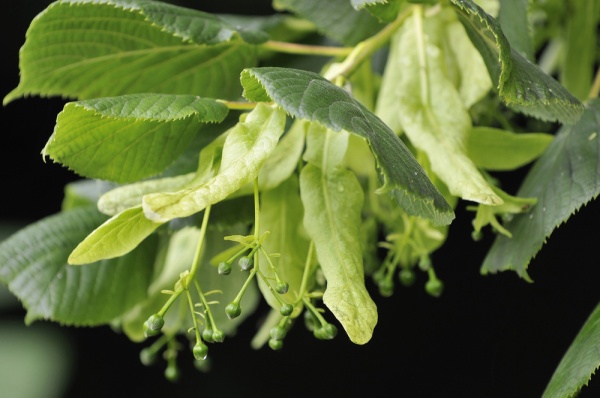
The parts used in teas and medicines are the creamy white flowers on long stems out of characteristic pale-green lance-shaped leaf-like bracts (a bract is part of a flower that resembles a leaf). The flowers are a creamy white and produce a sweet, light scent reflecting their taste (11).
Alternate botanical names
The three main species of limeflower used in herbal medicine are; Tilia x europea; T. phatyphyllos and T. cordata (4). There are around 45 species of lime tree around the world, some of which may be supplied as one of the three accepted species (11).
-
Common names
- Linden
- Limetree
- Basswood (Eng)
- Linde (Ger)
- Tilleul (Fr)
- Tiglio (Ital)
- Tilo (Sp)
-
Habitat
Limeflower naturally grows in pasture, gardens, woodland and meadows and is common throughout Europe, being a native across the temperate Northern Hemisphere.
-
How to grow limeflower
Limeflower trees are easy to grow in temperate climates. They can grow to a large scale so ensure space to accommodate its optimum growth potential. It requires well-draining, loamy soil with organic matter mixed in.
Grow from seeds gathered in late summer to early autumn by placing them in a small pot of soil. Germination should occur within two to three weeks. Plant out the sapling in its final position in the early spring after the tree has established its first leaves.
Limeflower tree thrives in full sun, although it will grow in part shade. It will at least require between two to six hours of direct sunlight.
Lime prefers moist conditions but does not tolerate ongoing waterlogged conditions. It is somewhat drought tolerant, but during severe drought conditions, especially when the tree is young it should be watered regularly (23).
-
Herbal preparation of limeflower
- Dried herb
- Infusion
- Tincture
-
Plant parts used
Flowers with bracts
-
Dosage
- Tincture (1:5|25%): Take between 2.5–10 ml in a little water up to three times a day.
- Fluid extract (25%): 2–4 ml three times daily
- Infusion/decoction: To make an infusion place one teaspoon of dried material into one cup of boiling water, infuse for 10 minutes. This should be drunk hot three times a day (11).
-
Constituents
- Flavonoids: Herperidin, quercetin, kaempferol, astralagin, tiliroside, rutin and hyperoside
- Volatile oils: Limonene, careen, p-cymene, anethole and farnesol
- Saponins: Scopoletin
- Phenolic acids: Ferulic, chlorogenic, p-coumaric, caffeic and cinnamic acids
- Condensed tannins (2%)
- Mucilage (3–10%) (11)
-
Limeflower recipe
Brave heart tea*
This Brave Heart Tea blend is a therapeutic recipe for nourishing the heart, both the physical and emotional.
Ingredients
- 4 g hawthorn berry
- 2 g hawthorn leaf and flower
- 2 g limeflower
- 2 g cinnamon bark
- 1 g motherwort
- 5 strands of saffron
- 1 g rose flower
- 1 tbsp of pomegranate juice per cup
This will serve two cups of a very heart loving tea.
How to make limeflower tea
- Put all of the ingredients in a pot (except for the pomegranate juice).
- Add 500 ml (18 fl oz) freshly boiled filtered water. Leave to steep for 10–15 minutes, then strain.
- Add the pomegranate juice to each cup.
*from Cleanse, Nurture, Restore by Sebastian Pole (13)

-
Safety
Limeflower is widely accepted as safe to use for the whole family, with no reports of toxicity (6,11). There is a lack of supportive evidence for the use of limeflower during pregnancy and lactation, so avoid use or seek guidance from a medical professional (14).
Large doses can cause nausea in some individuals (4).
There are limited reports of sensitivity through exposure to the flower pollen which relate to contact dermatitis and respiratory sensitivity (11).
-
Interactions
Theoretically, limeflower may increase the adverse effects of lithium due to its diuretic properties (14). Otherwise, there are no confirmed drug interactions (14).
-
Contraindications
Avoid in patients with a known allergy to the Malvaceae plant family (6).
-
Sustainability status of limeflower
The IUCN red list of endangered species states that “T. cordata species remains widespread and the population is not considered to be at threat from extinction. It is therefore classified as Least Concern”. The red list does not include information on the other two commonly used species of the Tilia genus (15). The Tilia genus is very often planted in urban areas, and studies have shown it to be extremely adaptable to climatic change and threat, and thus it is widespread and common in much of the Northern hemisphere (16).
Habitat loss and over-harvesting from the wild are two of the biggest threats faced by medicinal plant species. There are an increasing number of well-known herbal medicines at risk of extinction. We must, therefore, ensure that we source our medicines with sustainability in mind.
The herb supplement industry is growing at a rapid rate and until recent years a vast majority of medicinal plant produce in global trade was of unknown origin. There are some very real and urgent issues surrounding sustainability in the herb industry. These include environmental factors that affect the medicinal viability of herbs, the safety of the habitats that they are taken from, as well as the welfare of workers in the trade.
The botanical supply chain efforts for improved visibility (transparency and traceability) into verifiably sustainable production sites around the world is now certificated through the emergence of credible international voluntary sustainability standards (VSS).
Read our article on Herbal quality & safety: What to know before you buy and Sustainable sourcing of herbs to learn more about what to look for and questions to ask suppliers about sustainability.
-
Quality control
- Country of origin: Balkans, China, Hungary and Turkey
- How sourced: Wild-collected
- Risks: Contamination with inflorescences from other Tilia species
- Key marker compounds: Flavonoids, phenolic acids and procyanidins
Most national pharmacopeial monographs do not distinguish between different species of limeflower and the British Pharmacopoeia (BP) includes Tilia cordata, Tilia platyphyllos, and Tilia × europaea or a mixture of these within the limeflower monograph (17). The key constituents in limeflower include volatile oils, flavonoids, mucilage, phenolic acids and procyanidins (18,19,20).

Limeflower (Tilia europaea) The quantity and composition of the phytochemical constituents found in limeflower will vary depending on the environment, genetics, and the time of harvesting. Limeflowers are wild harvested, and this traditionally occurs during the flowering period. Most research studies have focused on the phytochemical constituents found in the inflorescence (19,20). These studies have compared the inflorescences across different species of limeflower and has also examined the role environmental factors play in determining the level of constituents.
Interesting new research examined the bioactive constituents found in the bracts of T. platyphyllos and found that phenolic constituents were present in significant amounts before and after flowering (21).
In another study, limeflower preparations such as teas and tinctures were analysed for their phytochemical constituents and the study found high levels of tannins (22). Although tinctures are more concentrated, a 150–200 ml cup of limeflower tea leads to a higher intake of phenolics, especially procyanidins, than a single dosage of 1–1.5 ml of tincture (22). How the phytochemistry varies in different herbal preparation is an important consideration in herbal practice.
Herbal medicines are often very safe to take; however, their safety and efficacy can be jeopardised by quality issues. So, it is important to buy herbal medicines from a reputable supplier, from sources known to test their herbs to ensure there is no contamination, adulteration or substitution with incorrect plant matter, as well as ensuring that recognised marker compounds are at appropriate levels in the herbs.
Some important quality assurances to look for are certified organic labelling, the correct scientific/botanical name, and the availability of information from the supplier about ingredient origins. A supplier should be able to tell you where the herbs have come from, what contaminants are not in the herb, and what the primary compounds are.

-
References
- European Medicines Agency. Assessment Report on Tilia Cordata Miller, Tilia Platyphyllos Scop., Tilia X Vulgaris Heyne or Their Mixtures, Flos.; 2012. Accessed December 10, 2024. https://www.ema.europa.eu/en/documents/herbal-report/final-assessment-report-tilia-cordata-miller-tilia-platyphyllos-scop-tilia-x-vulgaris-heyne-or-their-mixtures-flos-first-version_en.pdf
- Wood M. The Earthwise Herbal : A Complete Guide to Old World Medicinal Plants. North Atlantic Books; 2008.
- Mills SY. The Essential Book of Herbal Medicine. Editorial: Penguin; 1993.
- Mcintyre A. Complete Herbal Tutor : The Definitive Guide to the Principles and Practices of Herbal Medicine (Second Edition). Aeon Books Limited; 2019.
- Hedley C, Shaw N. Plant Medicine. Aeon Books; 2023.
- Thomsen M. Phytotherapy Desk Reference. 6th ed. Aeon Books; 2022.
- Fawzy G, Younes K, Waked E, Mahmoud H. Anti-inflammatory, Antinociceptive and Nephroprotective activities of Tilia cordata and Isolation of Bioactive Compounds. Journal of Materials and Environmental Sciences. 2018;9(6).
- Herrera-Ruiz M, Román-Ramos R, Zamilpa A, Tortoriello J, Jiménez-Ferrer JE. Flavonoids from Tilia americana with anxiolytic activity in plus-maze test. J Ethnopharmacol. 2008;118(2):312-317. https://doi.org/10.1016/j.jep.2008.04.019
- Aguirre-Hernández E, Martínez AL, González-Trujano ME, Moreno J, Vibrans H, Soto-Hernández M. Pharmacological evaluation of the anxiolytic and sedative effects of Tilia americana L. var. mexicana in mice. J Ethnopharmacol. 2007;109(1):140-145. https://doi.org/10.1016/j.jep.2006.07.017
- Noguerón-Merino MC, Zamilpa A, Román-Ramos R, et al. Interactions of a standardized flavonoid fraction from Tilia americana with serotonergic drugs in elevated plus maze. J Ethnopharmacol. 2015;164:319-327. https://doi.org/10.1016/j.jep.2015.01.029
- Fisher C. Materia Medica of Western Herbs. Aeon Books; 2018.
- Turrini F, Vallarino G, Cisani F, Donno D, Beccaro GL, Zunin P, Boggia R, Pittaluga A, Grilli M. Use of an animal model to evaluate anxiolytic effects of dietary supplementation with Tilia tomentosa Moench bud extracts. Nutrients. 2020;12(11):3328. https://doi.org/10.3390/nu12113328
- Pole S. Cleanse, Nurture, Restore with Herbal Tea: Make Your Own Healthy Herbal Infusions. London, UK: Frances Lincoln; 2016.
- Natural Medicines. Linden. naturalmedicines.therapeuticresearch.com. Published 2024. https://naturalmedicines.therapeuticresearch.com/databases/food
- Khela S, Malin, Barstow M. IUCN Red List of Threatened Species: Tilia cordata. IUCN Red List of Threatened Species. Published March 7, 2017. https://www.iucnredlist.org/species/203360/68079373
- Alina-Maria Tenche-Constantinescu, Dacian Virgil Lalescu, Popescu S, et al. Exploring the Genetic Landscape of Tilia Spp. with Molecular and Statistical Tools. Horticulturae. 2024;10(6):596-596. https://doi.org/10.3390/horticulturae10060596
- British Pharmacopoeia Commission. British Pharmacopoeia 2025. London TSO; 2025.
- Heinrich M, Barnes J, José M Prieto Garcia, et al. Fundamentals of Pharmacognosy and Phytotherapy. Elsevier; 2018.
- Evans WC, Trease GE, Evans D. Trease and Evans’ Pharmacognosy. 16th ed. Saunders/Elsevier; 2009.
- Czerwińska ME, Dudek MK, Pawłowska KA, Pruś A, Ziaja M, Granica S. The influence of procyanidins isolated from small-leaved lime flowers (Tilia cordata Mill.) on human neutrophils. Fitoterapia. 2018;127:115-122. https://doi.org/10.1016/j.fitote.2018.02.018
- Szűcs Z, Cziáky Z, Kiss-Szikszai A, Sinka L, Vasas G, Gonda S. Comparative metabolomics of Tilia platyphyllos Scop. bracts during phenological development. Phytochemistry. 2019;167:112084-112084. https://doi.org/10.1016/j.phytochem.2019.112084
- Karioti A, Chiarabini L, Alachkar A, Fawaz Chehna M, Vincieri FF, Bilia AR. HPLC–DAD and HPLC–ESI-MS analyses of Tiliae flos and its preparations. Journal of Pharmaceutical and Biomedical Analysis. 2014;100:205-214. https://doi.org/10.1016/j.jpba.2014.08.010
- Heath S. How to Grow and Care for Little-Leaf Linden. The Spruce. Published 2023. https://www.thespruce.com/little-leaf-linden-tree-growing-profile-3269318
Meet our herbal experts
Our monographs are written by our monograph authors and edited, reviewed and updated by Herbal Reality.
Meet our Herbal Reality team or explore our Herbal Reality authors.